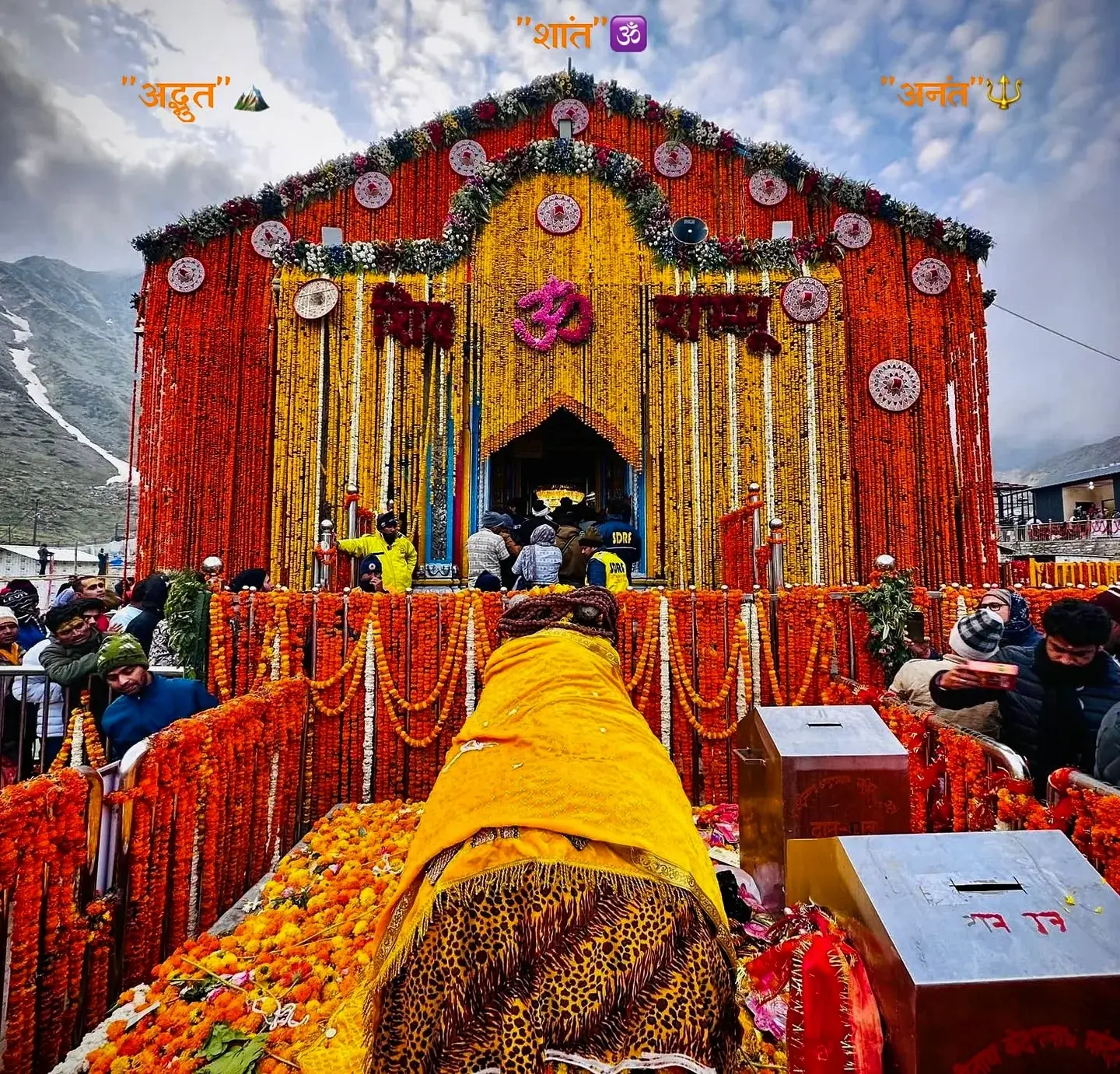
If you’re planning a spiritual trip to the sacred Kedarnath Temple, one of the first questions that comes to mind is — how to reach Kedarnath? Nestled in the Garhwal Himalayas of Uttarakhand, Kedarnath is not directly accessible by road. That’s exactly what makes the journey both challenging and beautiful at the same time.
Whether you’re traveling with family, friends, or joining a group tour with Chalo Travellers, this guide explains everything in simple language — routes, transport options, Kedarnath trekking distance, where to stay, and the best stay near Kedarnath Temple. Let’s make your yatra smooth and stress-free.
How to Reach Kedarnath – Step-by-Step Guide
When people search for how to reach Kedarnath, they usually want a clear and practical explanation. The journey can be understood in three main stages. First, you reach Haridwar, Rishikesh, or Dehradun. Second, you travel by road to Gaurikund. Third, you either trek or take a helicopter to Kedarnath Temple. Let’s break each step down in detail.
Step 1: Reach Haridwar, Rishikesh, or Dehradun
Your journey usually begins from Haridwar, Rishikesh, or Dehradun. These cities are well connected to major parts of India and serve as the main entry points for the Kedarnath Yatra.
If you’re traveling by train, both Haridwar and Dehradun have good railway connectivity with cities like Delhi, Mumbai, Kolkata, and many others. Trains are one of the most affordable and convenient options, especially for families.
If you prefer flying, the nearest airport is Jolly Grant Airport in Dehradun. From the airport, taxis are easily available to take you toward the hill route.
For those traveling by road, regular buses and taxis operate from Delhi to Haridwar and Rishikesh. Many travellers also prefer booking private cabs for a more comfortable journey.
If you want a detailed breakdown of planning your trip, you can check our internal guide:
Kedarnath Trip Plan – https://chalotravellers.com/kedarnath-trip-plan/
Step 2: Road Journey to Gaurikund
From Haridwar, Rishikesh, or Dehradun, you will travel by road to Gaurikund, which is the last motorable point before the trek begins.
The distance from Rishikesh to Gaurikund is approximately 210–220 kilometers, and the journey usually takes around 8 to 10 hours depending on traffic and weather conditions. The road journey is scenic, passing through rivers, mountain bends, and small hill towns.
You can choose shared jeeps if you’re on a budget, private taxis for comfort, GMVN buses for economical travel, or group tour packages if you want everything arranged for you. Once you reach Gaurikund, vehicles stop there, and the real mountain journey begins.
Step 3: Kedarnath Trekking Distance
Now comes the most important part when understanding how to reach Kedarnath — the trek.
The Kedarnath trekking distance is approximately 16–18 kilometers from Gaurikund to the temple. The route is well maintained and divided into key stops such as Jungle Chatti, Bheembali, Linchauli, and Kedarnath Base Camp. These stops offer rest points, medical facilities, and refreshment stalls.
You can complete the trek on foot, which usually takes 6 to 8 hours depending on your pace and stamina. Walking is considered the most spiritual and scenic way to experience the yatra.
If trekking feels challenging, ponies and mules are available from Gaurikund and are commonly used by elderly travellers. Palki or doli services are also available, where porters carry pilgrims safely along the route. This option is especially helpful for senior citizens.
For those who want to skip the trek, helicopter services operate from Phata, Sersi, and Guptkashi. The helicopter ride takes about 8 to 10 minutes and offers breathtaking aerial views of the Himalayas.
If you’re worried about fitness, don’t stress. Thousands of devotees complete this journey every year. With basic preparation and a steady pace, most people manage the trek comfortably.
Best Time to Visit Kedarnath
The temple generally opens around April or May and closes in November, depending on the Hindu calendar. The best months to visit are May to June, when the weather is pleasant and suitable for trekking. Another good time is September to October, when the crowd reduces and the skies are clearer.
It’s advisable to avoid peak monsoon months like July and August due to heavy rainfall and landslide risks in the region.
If you’re planning your travel budget, you can also check our detailed guide here:
Kedarnath Trip Cost – https://chalotravellers.com/kedarnath-trip-cost/
Where to Stay During Kedarnath Yatra
After figuring out how to reach Kedarnath, the next big question is usually where to stay.
Many travellers prefer staying in Guptkashi or Phata. These towns offer good hotels with comfortable rooms and better facilities compared to higher altitudes. They are also ideal for those taking helicopter services, as most helipads operate nearby. You’ll find options ranging from budget stays to mid-range hotels.
Gaurikund is another option if you want to start your trek early in the morning. Accommodation here is basic, mainly consisting of guesthouses and small lodges.
If you wish to stay close to the temple, there are GMVN guest houses, ashrams, basic lodges, and tent accommodations available near Kedarnath Temple. Staying near the temple allows you to attend the early morning aarti without rushing. However, facilities are simple, and nights can be extremely cold, even during summer. Booking in advance is strongly recommended during peak season.
Important Travel Tips for Kedarnath
The Kedarnath trek is located at an altitude of around 3,583 meters, so medical fitness is important. If you have breathing issues, heart conditions, or other health concerns, consult your doctor before planning the yatra. Carrying basic medicines and a small first-aid kit is always helpful.
Even during summer months, the weather can turn cold quickly, especially at night. Warm jackets, gloves, caps, and thermal wear are necessary.
Registration for the Char Dham Yatra is mandatory before starting the journey. Make sure you complete the process online or at designated counters.
Starting your trek early in the morning, ideally before 6 AM, helps you avoid heavy crowd and sudden weather changes. It also gives you enough time to reach safely before evening.
Lastly, keep sufficient cash with you, as ATM access becomes limited after Rudraprayag and digital networks may not always work properly in higher regions.
Pilgrimage packages you can book
Related Blogs
Read All ›